Lords of Finance: The Bankers Who Broke the World Analysis

The Economic Architects and the Great Depression
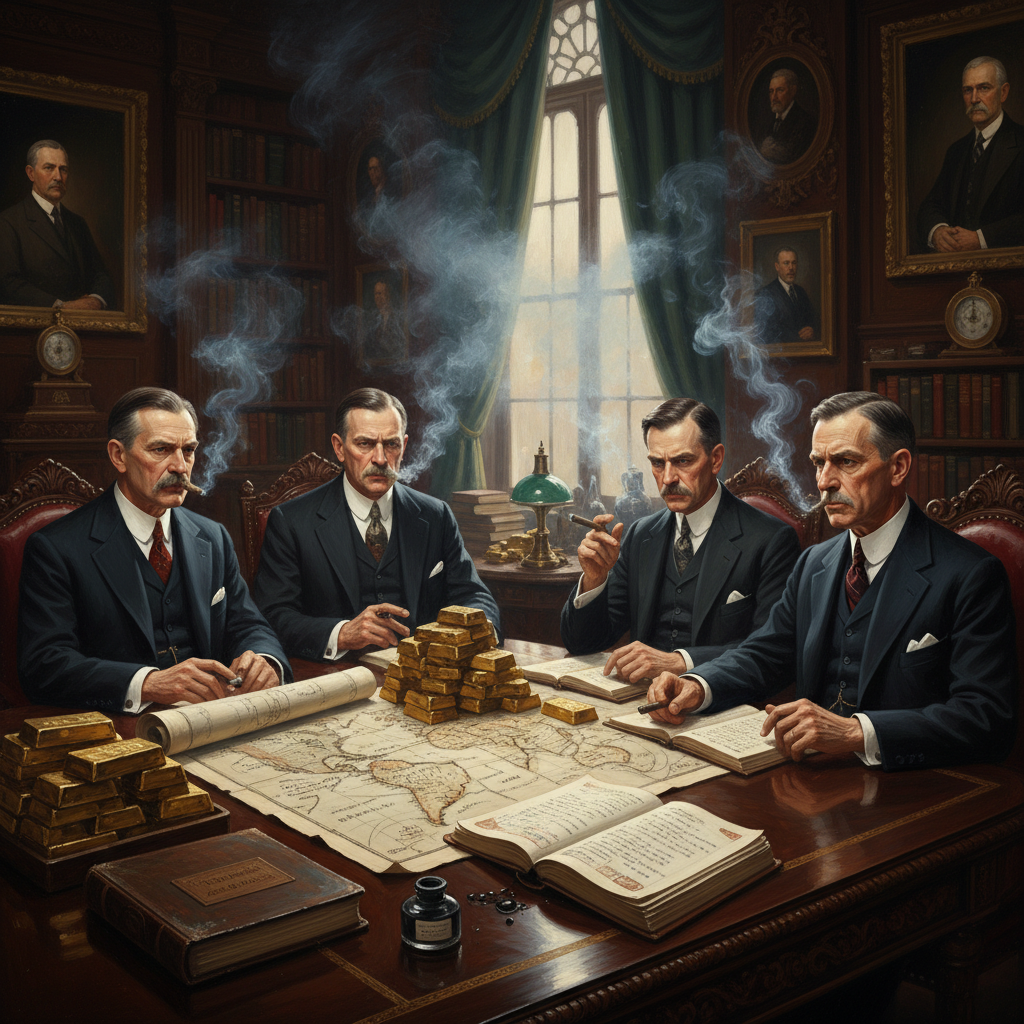
Liaquat Ahamed’s Pulitzer Prize-winning masterpiece, Lords of Finance: The Bankers Who Broke the World, serves as a poignant reminder that history is often shaped by the decisions of a few powerful individuals. The book chronicles the lives of four central bankers who dominated the global financial landscape from the aftermath of World War I through the early years of the Great Depression. These men—Montagu Norman of the Bank of England, Émile Moreau of the Banque de France, Hjalmar Schacht of the Reichsbank, and Benjamin Strong of the Federal Reserve—found themselves at the helm of an interconnected world economy that was rapidly unraveling.
Understanding their motivations, their failures, and their sheer hubris is essential for any modern student of economics. To stay updated on how history influences modern financial analysis, one should Follow Unread Page. Ahamed’s narrative demonstrates that the Great Depression was not an unavoidable act of nature, but rather the cumulative result of specific policy choices made by these four men.
The Four Central Bankers: A Profile in Power
Each of the “Lords of Finance” brought a unique personality and national objective to the table, yet they were bound together by a shared belief in the gold standard. Here is a brief look at the protagonists of Ahamed’s history:
- Benjamin Strong: The dominant force at the Federal Reserve in New York. Strong was an enigmatic figure who believed the U.S. had a moral obligation to stabilize the world’s economy, yet he struggled with the domestic repercussions of international cooperation.
- Montagu Norman: The eccentric and often reclusive Governor of the Bank of England. Norman was obsessed with restoring London to its former glory via the gold standard, often at the expense of British industry.
- Hjalmar Schacht: The “Old Wizard” of German finance. Schacht was responsible for ending the hyperinflation of the Weimar Republic but later became a complex figure in the rise of the Nazi regime as he attempted to manage Germany’s massive war reparations.
- Émile Moreau: The pragmatic head of the Banque de France. Moreau was driven by a desire to restore French national pride and gold reserves, often clashing with Norman’s British-centric view of global finance.
The Fatal Attraction of the Gold Standard
The central thesis of Ahamed’s work is that the rigid adherence to the gold standard was the primary engine of the economic collapse. In the 1920s, the gold standard was viewed with religious fervor. It was seen as the only way to ensure currency stability and prevent the hyperinflation that had devastated Germany. However, as Ahamed painstakingly details, the gold standard acted as a “straightjacket.”
By preventing countries from expanding their money supply during times of crisis, the gold standard forced deflationary policies that crushed employment and industry. The inability of these four men to see past this orthodox economic dogma led to the greatest economic catastrophe of the 20th century. For those looking to dive deeper into historical critiques of financial systems, you can Follow Unread Page to discover curated reading lists on global markets.
The Aftermath of World War I and Reparations
The Treaty of Versailles imposed staggering reparations on Germany, creating a cycle of debt that was impossible to manage. Ahamed argues that the “Lords of Finance” were constantly trying to patch a leaky ship. The United States lent money to Germany so Germany could pay reparations to Britain and France, who in turn used that money to pay back war debts to the United States. This “triangular trade” of capital meant that the entire global system was built on a foundation of credit that could—and did—collapse as soon as American investors pulled back their funds.
The 1929 Crash and the Failure of Leadership
When the stock market crashed in 1929, the global economy was already fragile. Benjamin Strong had passed away in 1928, leaving a vacuum of leadership at the Federal Reserve. His successors were less inclined to intervene aggressively, a mistake that allowed a standard market correction to transform into a systemic collapse. Ahamed illustrates how the personal animosities and nationalist agendas of Norman, Moreau, and Schacht prevented a coordinated international response. Instead of cooperation, the world saw a retreat into protectionism and competitive devaluations.
Lessons for the Modern Era
The parallels between the 1920s and the modern financial world are striking. From the debt crises in the Eurozone to the debates over modern monetary policy, the shadows of the four bankers loom large. Ahamed’s work warns us that central bankers are human, fallible, and often blinded by the prevailing intellectual fashions of their time. To ensure you don’t miss out on modern interpretations of these historical parallels, Follow Unread Page for the latest in economic literature reviews.
Conclusion: The Human Element in High Finance
Lords of Finance is more than just a history book; it is a character study of power and its limitations. Liaquat Ahamed successfully argues that the Great Depression was avoidable. It was the product of a lack of imagination, a devotion to outdated economic theories, and a failure of international diplomacy. By humanizing the figures responsible for the world’s most significant economic downturn, Ahamed offers a cautionary tale for the “lords of finance” of our own time.
Research indicates that during the 1930s, global trade fell by as much as 66%, and unemployment in some industrial nations reached 30%. These weren’t just numbers—they were the results of the decisions made in the boardrooms of the Bank of England and the New York Fed. Understanding this history is the first step in preventing its repetition.
Discover more from Unread Page
Subscribe to get the latest posts sent to your email.